Many people who are about to undergo colostomy surgery may wonder if they have to live with this intestinal diversion for the rest of their lives. The most accurate answer to this question is “it depends”.

Here are a few things that you may want to know about having to live with a colostomy bag.
Ostomy reversal: who is the candidate?
The first prerequisite for ostomy reversal is the overall good health. It will be a surgical procedure that can leave quite an unpleasant impact on the body in general and the GI tract in specific.
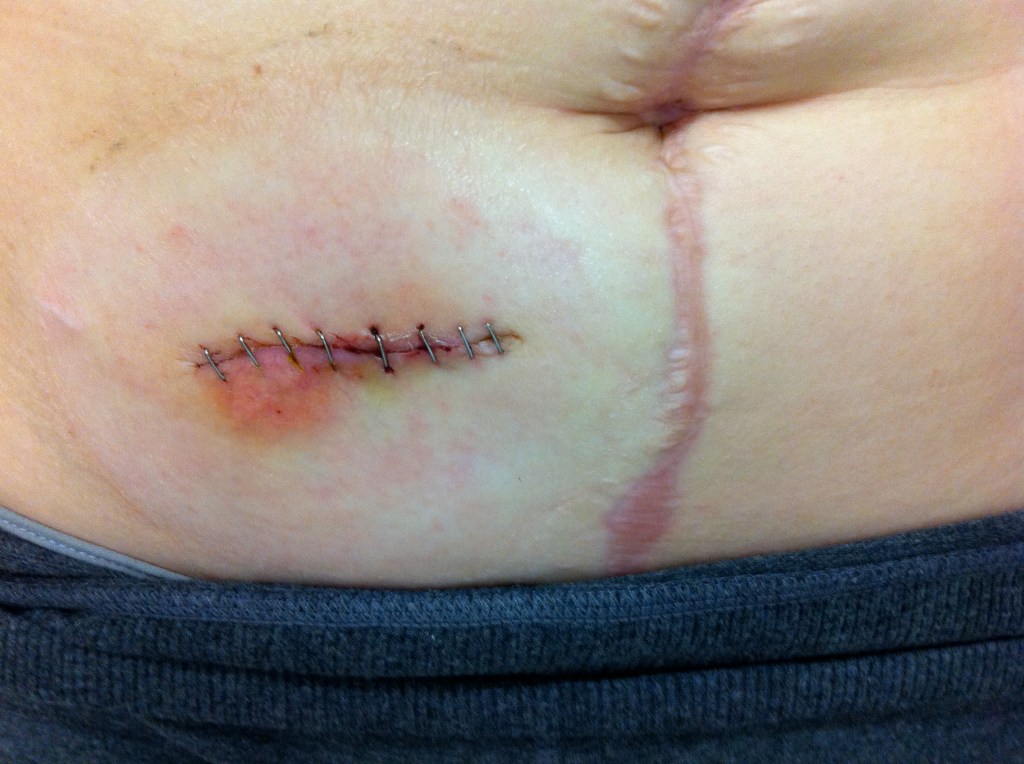
The reversal of a colostomy also depends on why you had it in the first place. If you had to undergo a temporary colostomy procedure as part of the cancer treatment, you can go for its reversal when your colon recovers from the illness. The colostomy that you get in this regard most has a loop stoma, which is fairly easy to reverse.
A permanent colostomy is always an end colostomy, but certain types of end ostomies are reversible. The reversible end colostomies require a major operation that results in delayed postoperative recovery.
Alternatives to colostomy bags
You can discuss several options with your doctor regarding the right alternative to your colostomy pouch. Every option, except for the one resulting in a stoma on the belly, allows you to retain bowel continence. This way, you won’t need any pouch to manage your stool evacuations. The waste will store in an internal reservoir inside the abdomen. You are going to have to empty it several times a day.
Here are the alternatives to a traditional colostomy.
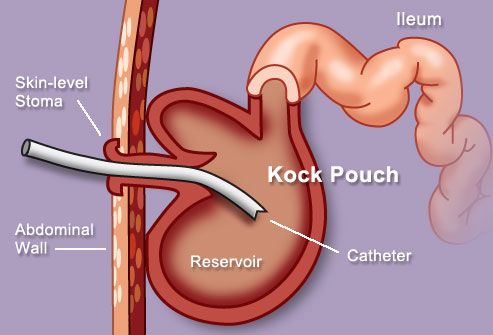
Kock pouch
The surgeon takes a part of the large and small bowel and makes a pouch that has to store waste contents coming into it through the small bowel. A small valve connects this reservoir to an opening in the abdomen. You will have to use a catheter to empty your Kock pouch.
J-pouch
A j-pouch is pretty similar to a Kock pouch, except for its connection with the anus. The surgeon creates this pouch by folding the end of the small bowel into itself. He then makes an incision at the bottom of the pouch to fit it over the anus. This option allows you to evacuate stools just as you have been doing before surgery. With this internal pouch, you will need to move your bowels within an hour after you feel an urge to go to the toilet.
BCIR
A BCIR, or Barnett Continent Intestinal Reservoir, may be an even better option as compared to a Kock pouch or a J-pouch. It is because of its ability to prevent leakage. The construction of a BCIR is pretty similar to that of a Kock pouch, but it uses a valve consisting of healing tissues. It enables the abdominal opening to be as resistive to leakage as sphincter muscles. A BCIR allows you to sleep throughout the night without worrying about the leakage.
What option suits you well depends on your health and preferences. You can discuss these options with your doctor.
 Ileostomies Health